Residential Solar Rooftop Panels in India
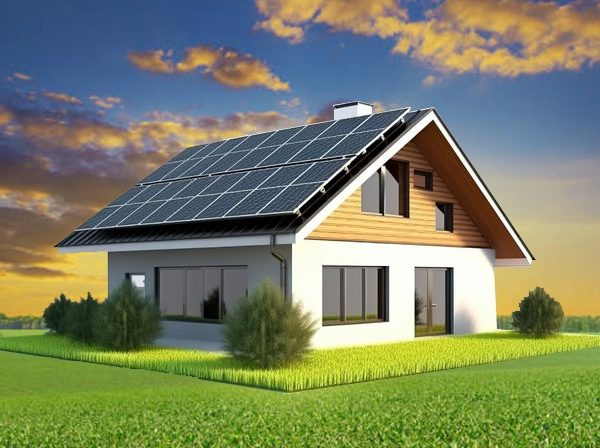
Electricity bills continue to rise, while grid reliability remains inconsistent in many areas. This has led many homeowners to look at solar not just as a backup, but as a smarter way to power their homes. With a well-designed rooftop system in place, it becomes possible to reduce monthly expenses, gain more control over energy use, and even add long-term value to the property.
At Citizen Solar, our focus goes beyond just supplying equipment. The goal is to deliver complete rooftop solutions from manufacturing to installation, so homeowners get a system that performs reliably for years.
If you’re exploring rooftop solar panel options from manufacturers in India, our team is available to help you make a decision.
Solar Rooftop
What Is A Solar Rooftop?
A solar rooftop panel system is a setup where photovoltaic (PV) panels are installed on the roof of a residential property. These panels capture sunlight and convert it into electricity that can power your home.
A residential solar rooftop is designed specifically for household consumption. It allows you to generate electricity on-site, reducing reliance on the conventional grid.
When you work with rooftop solar panel manufacturers in India, you are not just buying panels. You are investing in a system tailored to your energy usage, roof space, and local conditions.
How Does a Residential Solar Rooftop Work?
A rooftop solar installation for homes works through a straightforward process:
- Solar panels absorb sunlight and convert it into direct current (DC).
- An inverter converts DC into alternating current (AC), which powers your home appliances.
- The electricity is used instantly, stored in batteries (if included), or sent back to the grid.
Most modern rooftop solar systems include monitoring systems, so you can track how much energy your home produces and consumes.
Types of Residential Solar Rooftop Systems in India
On-Grid Solar Rooftop System
This is the most common type of rooftop solar system for homes in urban and semi urban India. It connects directly to the electricity grid.
- Excess power is exported to the grid
- You receive credits through net metering
- No battery required, which reduces initial investment
Hybrid Solar Rooftop System
A hybrid system combines grid connectivity with battery storage.
- Stores excess electricity for backup
- Works during power cuts
- Offers flexibility in energy usage
Off-Grid Solar Rooftop System
This system operates independently of the grid.
- Requires battery storage
- Ideal for remote areas
- Fully self-sufficient energy system
Choosing between these depends on your electricity usage, budget, and location. Reliable rooftop solar panel manufacturers in India guide you through this selection process.
How Much Does Rooftop Solar Cost?
The cost of a solar rooftop system in India varies based on system size, panel quality, inverter type, and installation complexity.
For a typical household:
- A 1 kW system is suitable for basic usage
- A 3-5 kW system works well for average families
- 7-10 kW system fits larger homes
The solar rooftop price also depends on whether you opt for batteries or stick with an on-grid system.
On average, the cost of a solar rooftop ranges from ₹45,000 to ₹70,000 per kW before subsidies. Working with experienced rooftop solar panel manufacturers in India ensures that the system is priced fairly and designed for long-term performance.
Solar Rooftop Subsidy in India
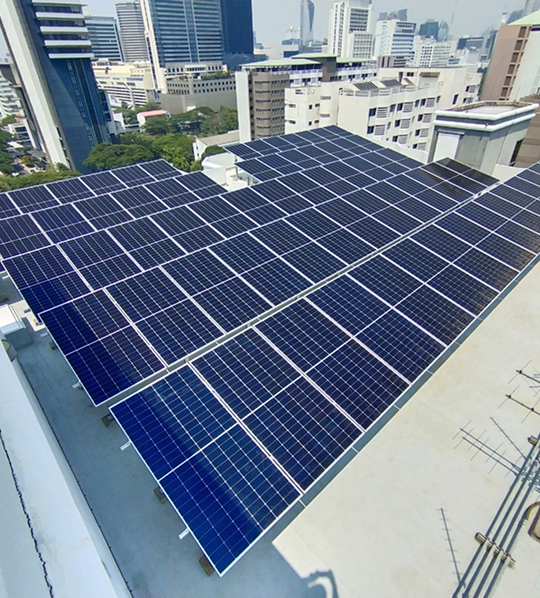
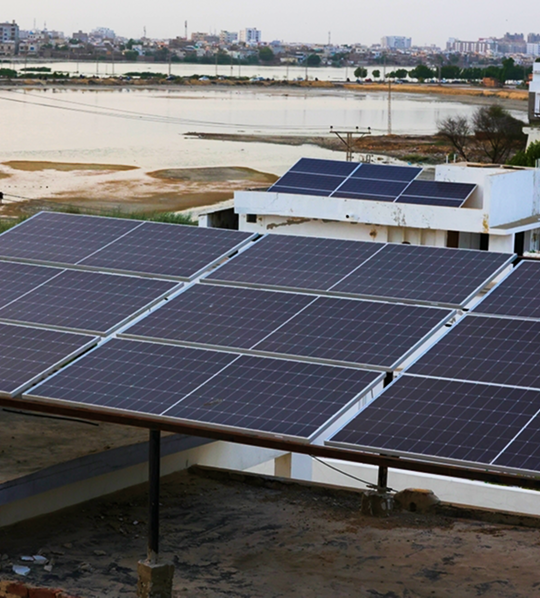
The Indian government actively supports residential solar adoption through structured financial programs. The solar rooftop subsidy is available through both national and state-level initiatives, helping homeowners reduce upfront costs.
Under the solar rooftop scheme, eligible households can receive partial reimbursement on installation costs, making solar more accessible for everyday use. In most cases, the subsidy for solar panel installations is processed after the system is installed, inspected, and approved by the relevant authorities.
The solar rooftop yojana is designed to bring solar within reach for middle income households, driving adoption across urban and semi urban areas. When you work with reputable solar power companies in India, the entire process becomes more straightforward, from documentation to subsidy approval.
What Are The Benefits Of Rooftop Solar?
Cost-Effective
Electricity bills drop significantly once your system starts generating power. Over time, savings often exceed the initial investment.
Energy Efficient
A residential solar rooftop uses clean energy directly from sunlight, reducing dependence on fossil fuels.
Own power sources
You generate your own electricity. This reduces exposure to tariff hikes and grid fluctuations.
Low Maintenance Cost
Modern solar rooftop panel systems require minimal upkeep. Occasional cleaning and routine checks are usually enough.
Perfect for the Indian Climate
India receives abundant sunlight throughout the year. This makes rooftop solar a highly practical option.
Secure investment
Solar systems typically last 25 years or more. That means long-term returns with predictable savings.
CITIZEN SOLAR
Why Are Solar Panels Installed on Rooftops?
Rooftops offer one of the most practical spaces for solar installation, as they receive direct sunlight for most of the day and are usually unused. By installing panels here, homeowners can generate electricity without additional land, making the setup both efficient and space-conscious.
A residential solar energy system uses existing infrastructure, helping keep installation costs under control while enabling seamless integration with your home’s electrical system.
For homeowners exploring solar panels for their homes, rooftop installation remains the most practical and accessible option, balancing convenience, cost, and long-term performance.
Installation Process of Solar Rooftop Panels
A complete installation involves several steps:

Site assessment
The process begins with a detailed evaluation of your roof. Engineers assess its size, direction, and any shading that could affect performance, so the system is planned accurately from the start.
System design
Based on the assessment, the system is customized to match your energy needs and available space, ensuring the setup delivers consistent output over time.

Permits and approvals
Once the design is finalized, all required documentation is handled. This includes applications for net metering and any applicable subsidy programs, ensuring compliance with local regulations.
Site assessment
The process begins with a detailed evaluation of your roof. Engineers assess its size, direction, and any shading that could affect performance, so the system is planned accurately from the start.
System design
Based on the assessment, the system is customized to match your energy needs and available space, ensuring the setup delivers consistent output over time.
Permits and approvals
Once the design is finalized, all required documentation is handled. This includes applications for net metering and any applicable subsidy programs, ensuring compliance with local regulations.
Installation
After approvals are in place, the physical installation begins. Mounting structures are secured, followed by panel placement, inverter setup, and complete wiring of the system.

Testing and commissioning
Before activation, the system undergoes thorough testing to confirm that every component functions correctly and safely.
Grid connection
The final step involves connecting the system to the local electricity board, allowing you to start using solar power and, where applicable, export excess energy.
Installation
After approvals are in place, the physical installation begins. Mounting structures are secured, followed by panel placement, inverter setup, and complete wiring of the system.
Testing and commissioning
Before activation, the system undergoes thorough testing to confirm that every component functions correctly and safely.
Grid connection
The final step involves connecting the system to the local electricity board, allowing you to start using solar power and, where applicable, export excess energy.
Experienced solar manufacturing companies in India manage this process end to end, ensuring compliance and performance.
CITIZEN SOLAR
Maintenance Tips for Solar Rooftop Panels
Keeping your system in good condition does not require much effort:
- Clean panels every 2 to 4 weeks to remove dust
- Check inverter performance regularly
- Monitor system output through apps
- Schedule annual inspections
A well maintained rooftop solar system continues to deliver strong output for decades.
Why Choose Us as Your Solar Panel Manufacturer?
Choosing the right solar partner matters as much as choosing the system itself.
Citizen Solar stands out among solar panel manufacturers by offering:
- In-house manufacturing of modules and inverters
- Strong presence across India and international markets
- High-efficiency products built for Indian conditions
- Complete solutions from design to installation
- Dedicated support for subsidy processing
When working with trusted rooftop solar panel manufacturers in India, you gain access to systems that are built, installed, and supported under one roof.
FAQ’s
Frequently Asked Questions
Is Solar Rooftop Profitable?
Yes. A residential solar rooftop typically pays for itself within 4 to 6 years through reduced electricity bills, after which the savings continue.
How Many Solar Panels Are Needed To Run A House?
It depends on your electricity usage. A typical home may need 6 to 15 panels per kW of installed capacity.
What is the cost of a solar rooftop in India?
The solar rooftop cost varies by system size and features, usually ranging between ₹45,000 and ₹70,000 per kW before subsidies.
What Is Solar Rooftop Subsidy and How Can I Apply?
The solar rooftop scheme offers financial support for residential installations. Applications are submitted through government portals or approved vendors.
How Long Do Solar Rooftop Panels Last?
Most systems last 25 years or more with consistent performance.
Is Solar Suitable for All Types of Houses in India?
Yes, as long as the roof receives adequate sunlight and has sufficient space.
How Much Electricity Can a Solar Rooftop Generate?
A 1 kW system can generate around 4-5 units per day, depending on location and weather conditions.
Is Maintenance Required for Solar Panels?
Maintenance is minimal. Cleaning and periodic inspections are usually enough to keep the system running efficiently.
REQUEST A QUOTE
Talk About How We Can Help You Reduce Your Energy Bill
Certifications