
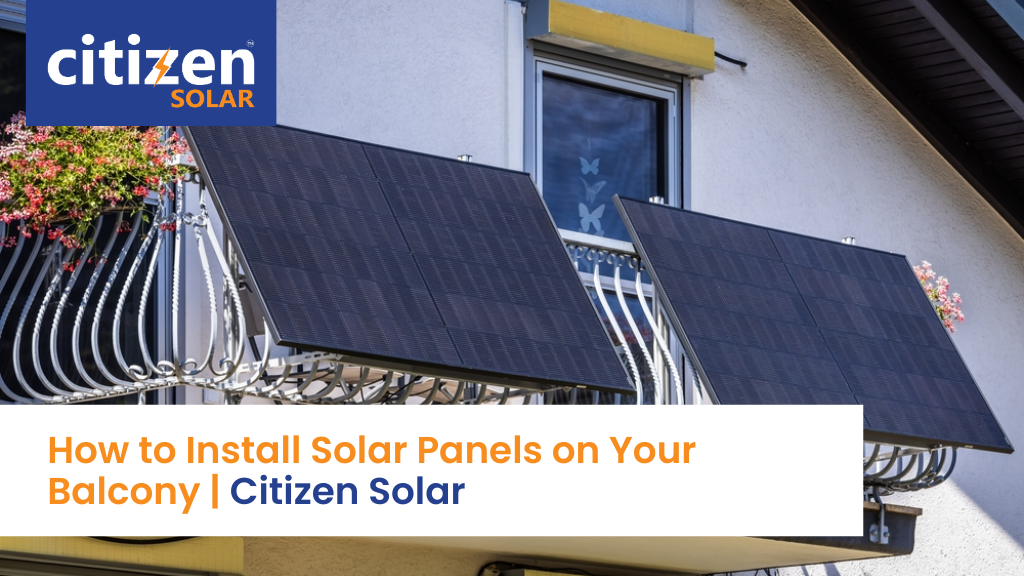
Apartment living often comes with small compromises. One common belief is that renewable energy only works for houses with large rooftops. That assumption leaves many apartment residents thinking solar power simply isn’t an option for them.
The reality looks different. A well-planned solar panel for a balcony setup can generate usable electricity even in compact urban spaces.
Some people discover this after seeing a neighbor’s panel quietly producing power from a small railing mount. Others stumble across the idea while searching for ways to lower monthly bills. Either way, the concept feels surprisingly practical once you understand how it works.
This guide walks through the basics of installing a balcony solar panel system, from planning and equipment to setup and maintenance.
What Is a Balcony Solar Panel System?
A balcony solar system is a compact solar power setup designed for the limited space of an apartment balcony. Instead of covering a large roof area, it uses one or two panels mounted on balcony railings, walls, or small frames.
Electricity generated by the panel flows through an inverter, which converts it into usable power for household appliances. Some systems feed energy directly into a plug point, while others store power in small batteries.
Most installations rely on a single solar panel for a balcony combined with lightweight mounting hardware. The design focuses on simplicity, avoiding extensive construction and major structural changes.
Benefits of Installing Solar Panels on Your Balcony
Reduce Electricity Bills
Even a small balcony solar system helps reduce grid power consumption. It might not run an entire household, but it can power devices like fans, lights, routers, and laptops.
Over months, that reduction begins to show up in electricity bills.
Eco-Friendly Energy Solution
Solar power converts sunlight into electricity without releasing emissions. For city residents seeking cleaner energy options, installing a solar panel on a balcony is a small but meaningful step.
And honestly, watching sunlight power everyday devices feels oddly satisfying.
Ideal for Apartments and Small Homes
Rooftop installations often require ownership rights, structural checks, and complex permissions. Balcony systems remove many of those hurdles.
A well-planned balcony solar setup fits neatly into the available space while remaining accessible for monitoring and cleaning.
Easy and Affordable Setup
Large solar systems involve multiple panels, wiring routes, and grid approvals. Balcony systems stay simple.
A single solar panel for a balcony, a micro-inverter, and a mounting bracket can form a working system. Installation time is usually short, sometimes completed within a few hours.
Things to Consider Before Installing Balcony Solar Panels
Balcony Direction
Sun exposure plays a major role. In India, south-facing balconies receive the most consistent sunlight throughout the day, while east- and west-facing spaces can still work, though energy generation may vary.
A shaded balcony limits performance, so take a few days to observe sunlight patterns before committing to a balcony solar panel installation.
Sunlight Availability
Panels perform best with direct sunlight for at least five hours daily. Buildings nearby, trees, or overhead structures can reduce output.
Some people use sunlight tracking apps. Others simply watch how the sun moves across the balcony. The second method sounds low-tech, though it often tells you everything you need to know.
Balcony Size and Weight Capacity
Solar panels weigh more than they appear. A single panel may range between 15 and 25 kilograms, depending on size and frame type.
Check railing strength and floor stability before beginning a balcony solar setup. Mounts designed for balconies distribute weight safely across the structure.
Local Building Regulations
Apartment societies sometimes maintain guidelines regarding external installations. Some allow small solar mounts while others require prior approval.
It’s a small step, though skipping it can create avoidable friction later.
Equipment Needed for Balcony Solar Panel Installation
A basic balcony solar panel installation usually includes:
- Solar panel
- Micro inverter or small grid inverter
- Mounting brackets or railing clamps
- Solar cables and connectors
- Safety grounding equipment
- Optional battery storage
Most modern balcony kits simplify these components into compact packages. A solar energy company often supplies complete kits designed for apartments, which saves time during selection.
Step-by-Step Guide to Installing Solar Panels on Your Balcony
Step 1: Choose the Right Solar Panel
Start with a compact solar panel for a balcony designed for limited spaces. Panels between 300W and 500W usually balance power output with a manageable size.
High-efficiency monocrystalline panels tend to perform better in smaller areas.
Step 2: Install the Mounting Structure
Secure mounting brackets to the balcony railing or wall frame. The structure should hold the panel firmly in place without wobbling in the wind.
Many balcony mounts allow adjustable angles, helping capture more sunlight.
Step 3: Position the Solar Panel for Maximum Sunlight
Place the panel facing the direction with the longest sunlight exposure. Slight tilt adjustments can increase daily power output.
This stage often requires small tweaks. A few degrees of angle change sometimes improves performance more than expected.
Step 4: Connect the Inverter
The inverter converts solar DC power into AC power for home appliances.
Attach the panel cables to the inverter according to the manufacturer’s instructions. Micro-inverters are common in small systems because they stay compact and efficient.
Step 5: Connect the System to Your Home Power Setup
The inverter output connects to a household socket or a dedicated circuit, depending on the system type.
Once connected, the balcony solar system begins supplying electricity during daylight hours.
Step 6: Test the Solar System
Turn the system on and observe the inverter indicators. Most units display power generation via small LED indicators or mobile apps.
If readings appear stable, your solar panel for the balcony is ready to begin producing energy.
Best Types of Solar Panels for Balcony Installation
Not all panels work equally well in limited spaces.
Monocrystalline panels usually produce more electricity per square meter, which makes them a strong choice when balcony space is limited. Lightweight glass-glass panels also work well in compact setups and offer another practical option for smaller installations. Some homeowners even experiment with flexible panels, though rigid panels typically last longer.
When comparing models, it helps to review recommendations from trusted solar companies in India, as they often test products under local climate conditions.
- Safety Tips for Balcony Solar Panel Installation
Balcony systems remain small, though safety should still guide every step.
- Mount panels securely to avoid movement during strong winds. Loose mounts create both safety risks and performance problems.
- Use insulated solar cables designed for outdoor environments. Regular household wiring cannot withstand long-term exposure to sunlight.
- Grounding the system protects appliances and reduces electrical risk. Most modern balcony solar system kits include grounding components for this purpose.
- Finally, avoid installing panels during heavy rain or strong winds.
Maintenance Tips for Balcony Solar Panels
Solar panels require very little maintenance. Some of the most useful tips are:
- Dust accumulation remains the most common issue, especially in urban areas. Cleaning the panel surface every few weeks improves energy production.
- A soft cloth and water usually work well. Harsh cleaning chemicals are unnecessary.
- Check mounting brackets occasionally for tightness. Repeated wind vibrations can loosen bolts.
- Monitoring apps from inverter systems also help track performance. Sudden drops in output may indicate shading or dirt buildup.
With basic care, a solar panel for a balcony can function efficiently for many years.
Conclusion
Solar power no longer belongs only on rooftops or large houses. Apartment residents can participate in clean energy through compact balcony systems.
A well-planned solar panel installation on a balcony turns unused space into a practical source of electricity. It reduces reliance on grid power, supports greener energy habits, and fits comfortably within small urban homes.
For many people, the biggest surprise comes after installation. The system quietly works in the background. Sunlight arrives, electricity flows, and daily routines continue without much thought.
Start Your Balcony Solar Journey with Citizen Solar
Thinking about installing a solar panel for the balcony, but not sure where to begin? At Citizen Solar, we help homeowners and apartment residents design practical solar systems tailored for limited spaces. From panel selection to safe installation guidance, our team supports every step of the process. Speak with an expert today and explore simple solar solutions for your home.
Call us at +91-8000111222 to get started with Citizen Solar.
FAQs
Can I install solar panels on my apartment balcony?
Yes. Many apartments allow small solar systems attached to railings or walls. Always confirm building guidelines before installation.
How many solar panels can fit on a balcony?
Most balconies fit one or two panels, depending on available width and railing structure.
How much electricity can balcony solar panels generate?
A single panel may produce around 1 to 2 units of electricity per day under good sunlight conditions.
Do balcony solar panels need batteries?
Not always. Many systems supply electricity directly during daylight hours. Batteries are useful for storing energy for nighttime use.
Are balcony solar panels safe during rain or storms?
Quality solar panels are designed for outdoor weather exposure. Secure mounting and proper wiring are key safety factors.
Do balcony solar panels work in cloudy weather?
Yes, though electricity generation decreases. Panels still capture diffused sunlight even when the sky isn’t completely clear.